Parker County Emergency Services District #3 

Parker County Emergency Services District #3 

Supporting emergency services is an important investment in the safety and well-being of the community. Parker County Emergency Services District 3 works alongside Weatherford Fire Department to help provide the funding and resources needed for fire protection, emergency medical response, rescue services, and public safety support. The district’s commitment to operational readiness and future planning helps maintain reliable emergency services for the area.

Resources for Responders. Protection for Communities. 

Did You Know?

Your local ESD is overseen by commissioners who are part of the community they serve. They help guide decisions about funding, resources, and emergency services with the goal of meeting local needs and supporting the safety of residents.

It's a local approach that keeps decisions close to home, with transparency and accountability every step of the way.

Stay up to date with posted meeting agendas and approved minutes from previous board meetings

Our commissioners are committed to transparency, accountability, and serving the best interests of the community. 


Access adopted tax rates and calculations that detail how revenue is generated to support public safety operations.
Preventing Fires in Your Home

Most home fires are preventable with a few simple precautions. Taking time to address common fire risks can help protect your family, your property, and your peace of mind.

Top Fire Prevention Tips: 

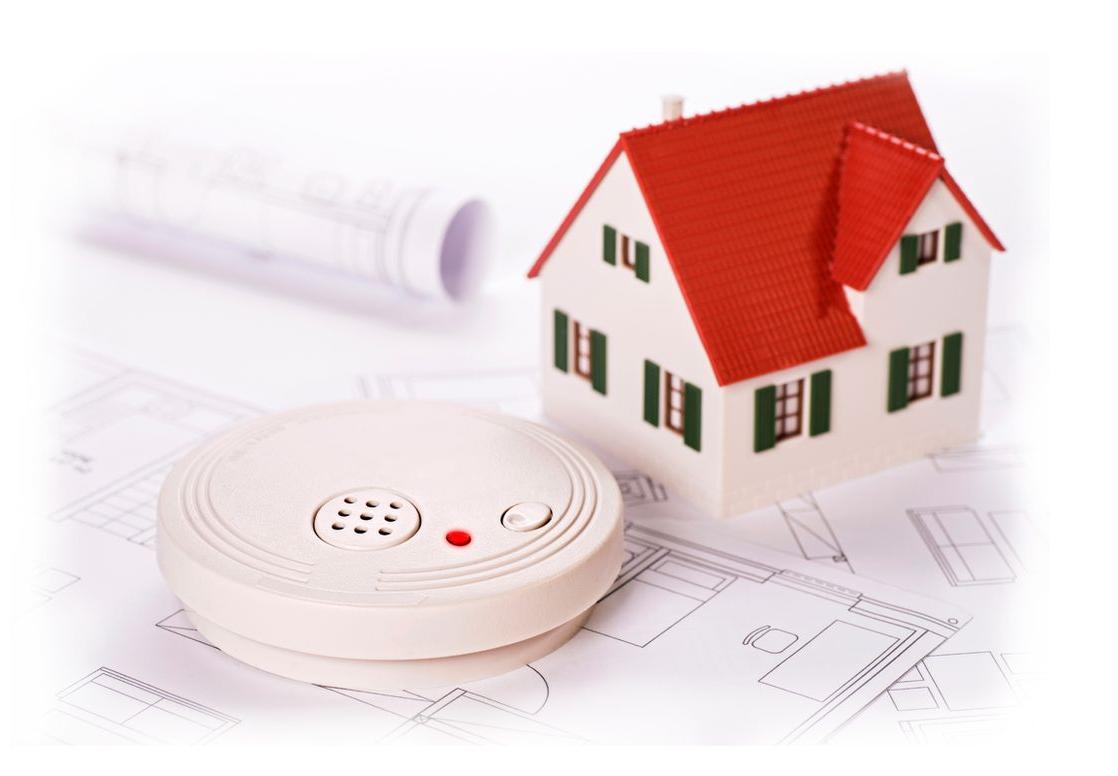
  • Install and maintain smoke alarms. Place smoke alarms on every level of your home and near sleeping areas. Test them monthly and replace batteries at least once a year
  • Practice safe cooking habits. Never leave cooking unattended, keep flammable items away from the stove, and turn pot handles inward to prevent spills.
  • Use electrical equipment safely. Avoid overloading outlets, replace damaged cords, and unplug appliances when not in use. 
  • Keep heating sources clear. Maintain at least three feet of space around space heaters, fireplaces, and other heat-producing equipment.
  • Store flammable materials properly. Keep gasoline, cleaning products, and other flammable liquids in approved containers and away from heat sources. 

Plan Ahead: 

Create and practice a home fire escape plan with all household members. Identify two ways out of each room and choose a safe meeting place outside.

A few small steps today can make a big difference in preventing fires tomorrow. 

Preventing Fires in Your Home

Most home fires are preventable with a few simple precautions. Taking time to address common fire risks can help protect your family, your property, and your peace of mind.

Top Fire Prevention Tips: 

  • Install and maintain smoke alarms. Place smoke alarms on every level of your home and near sleeping areas. Test them monthly and replace batteries at least once a year
  • Practice safe cooking habits. Never leave cooking unattended, keep flammable items away from the stove, and turn pot handles inward to prevent spills.
  • Use electrical equipment safely. Avoid overloading outlets, replace damaged cords, and unplug appliances when not in use. 
  • Keep heating sources clear. Maintain at least three feet of space around space heaters, fireplaces, and other heat-producing equipment.
  • Store flammable materials properly. Keep gasoline, cleaning products, and other flammable liquids in approved containers and away from heat sources. 

Plan Ahead: 

Create and practice a home fire escape plan with all household members. Identify two ways out of each room and choose a safe meeting place outside.

A few small steps today can make a big difference in preventing fires tomorrow.